Quality Education and Quality Assurance
Teaching and learning innovation, Outcome-Based Education, assessment reform, accreditation, institutional quality assurance, faculty development and technology-enhanced learning.
Call for papers open · Abstract deadline 22 October 2026
Curriculum, Quality Education, Research, Internationalization and Employability
International Conference on Madrasah Higher Education in the Age of AI ICMHEAI–26
Conference overview
The rapid advancement of Artificial Intelligence is reshaping higher education across the world. Madrasah higher education is also facing new opportunities and challenges relating to curriculum transformation, quality assurance, teaching and learning, research capacity, international engagement and graduate employability.
The International Conference on Madrasah Higher Education in the Age of AI (ICMHEAI-26) aims to provide an academic platform for scholars, researchers, educators, policymakers and institutional leaders to critically examine the present state and future direction of Madrasah higher education in the context of AI-driven educational transformation.
The conference particularly seeks to explore how the distinctive intellectual and educational traditions of Madrasah higher education can engage effectively with emerging technologies while maintaining their academic identity, ethical foundations and relevance to contemporary society.
Call for papers
Scholars, researchers, faculty members, postgraduate researchers, educationists and professionals are invited to submit original and unpublished research papers related to the conference theme.
We warmly invite scholars and researchers from Bangladesh and abroad to contribute to this important academic conversation and help envision an innovative, globally connected and ethically grounded future for Madrasah higher education in the age of Artificial Intelligence.
Research areas
Papers may address, but are not limited to, the following areas.
Teaching and learning innovation, Outcome-Based Education, assessment reform, accreditation, institutional quality assurance, faculty development and technology-enhanced learning.
Curriculum reform in Madrasah higher education, integration of AI and digital literacy, interdisciplinary curriculum development, integration of Islamic and contemporary knowledge and future-ready curricula.
Generative AI in higher education, AI-assisted teaching, personalised learning, responsible use of AI, academic integrity, AI literacy and ethical challenges of emerging technologies.
Research capacity in Madrasah higher education, research methodology, AI-assisted research, publication quality, research ethics, collaborative research and development of a sustainable research culture.
International academic collaboration, student and faculty mobility, joint research, global recognition, credit transfer, international benchmarking and networking among Islamic higher education institutions.
Employability of Madrasah graduates, future skills, communication and digital competencies, entrepreneurship, career development, industry-academia collaboration and preparation for changing labour markets.
Academic leadership, institutional governance, strategic planning, digital transformation, data-informed decision-making, and institutional readiness for AI.
Islamic ethical perspectives on AI, responsible innovation, Maq˰˯id al Sharīʻah and emerging technologies, academic integrity and ethical frameworks for AI use in Islamic higher education.
Contribution of Madrasah higher education to sustainable development, social responsibility, community engagement, inclusive education and the Sustainable Development Goals.
National policy frameworks, regulatory challenges, equivalence and recognition, pathways for reform and future models of Madrasah higher education.
Classical foundations, contemporary Islamic thought, educational reform, intellectual challenges and emerging perspectives in Islamic education.
Arabic language teaching, applied linguistics, translation, digital learning, contemporary linguistic research and innovative approaches to Arabic education.
Key dates
All deadlines close at 23:59 (BST). Countdowns below are calculated live against your device clock.
22 October 2026
Calculating…
Deadline23 October 2026
Calculating…
Decision30 October 2026
Calculating…
Deadline31 October 2026
Calculating…
Deadline4 November 2026
Calculating…
EventCall for papers
Submissions are received online through Google Forms. The abstract form is open; registration will open soon. Abstracts are pasted as text of up to 250 words.
The abstract should clearly state: (i) The research problem, (ii) Objectives, (iii) Methodology, (iv) Major findings or expected findings and (v) significance or justification of the study.
Submissions should be original and directly relevant to the conference theme or one of its sub-themes.
Authors of accepted abstracts will be invited to submit an extended abstract for presentation at the conference.
Faculty members, researchers, PhD and MPhil scholars, postgraduate students, Madrasah and university educators, policymakers, education administrators and professionals working in relevant fields are encouraged to submit.
Both abstract submissions and participant registrations are handled through Google Forms. The abstract form is open now; registration will open soon.
Submission methodOnline — Google Form
AbstractPaste as text — maximum 250 words
In the formName, email, affiliation, sub-theme
Conference languagesArabic · English · Bangla
The abstract form is open. Have your abstract text (maximum 250 words) ready. For questions, write to the conference contact at kamilcenter.iau@gmail.com.
Authors of accepted abstracts are invited to submit an extended abstract by 30 October 2026.
Registration
Registration closes 31 October 2026. There are no registration fees for paper presenters; participants pay a nominal fee of Tk. 1,000/-.
Paper presenter
Freefor paper presenters
No registration fee applies to paper presenters.
Participant
Tk.1,000per person
Payable at registration.
Panel discussion
Four international panellists from the International Islamic University Malaysia (IIUM) will join the conference.
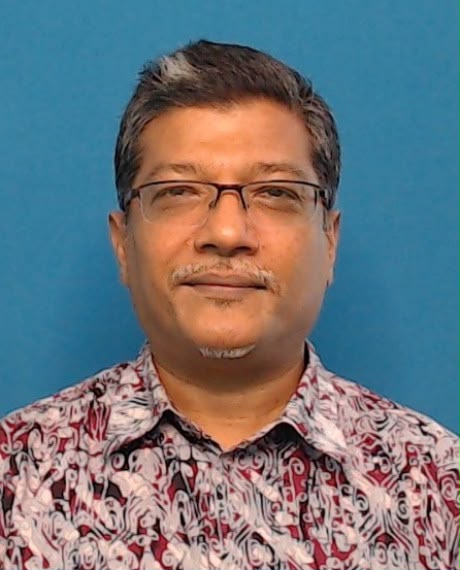
Deputy Rector (Research, Innovation and Development)
International Islamic University Malaysia (IIUM)
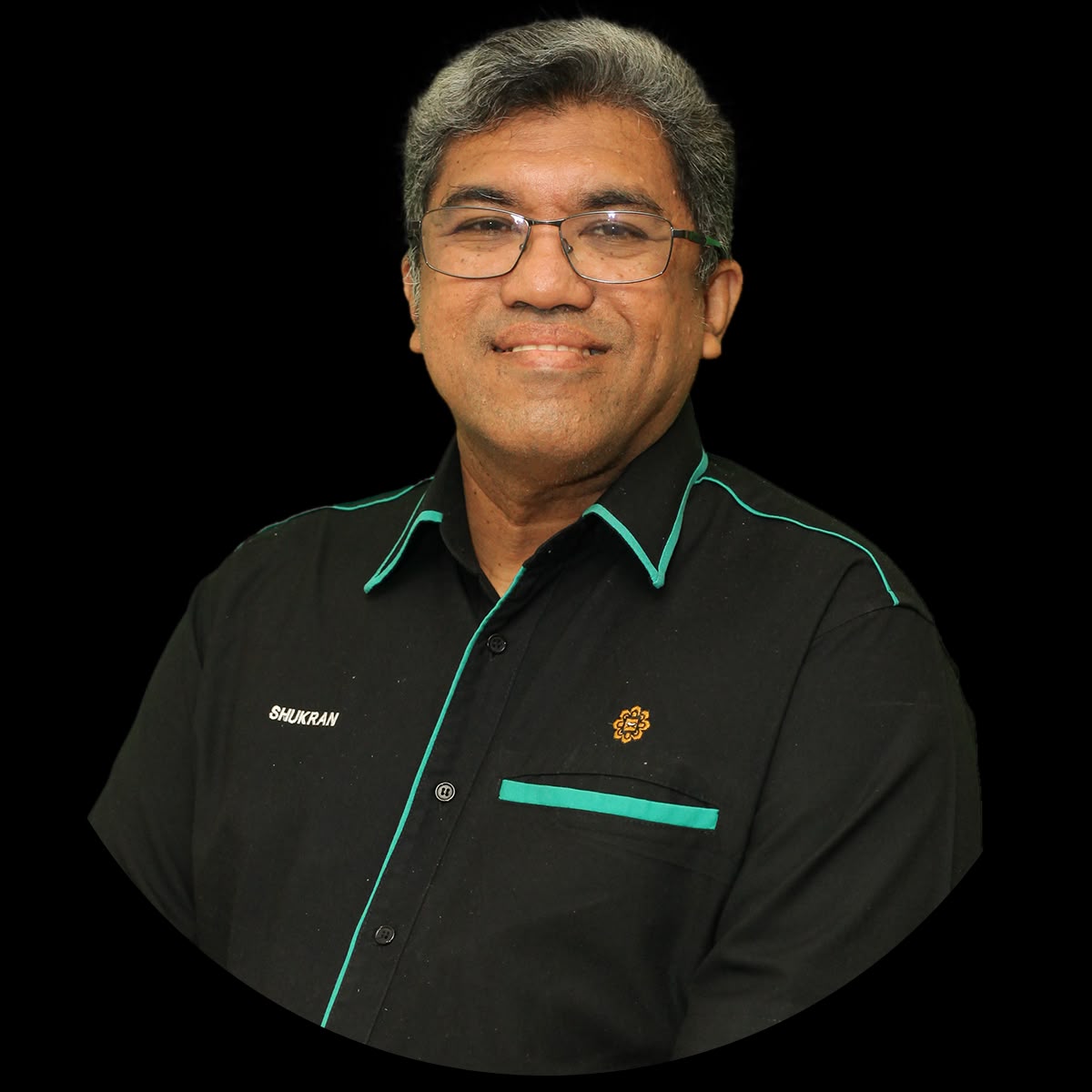
Principal Director (Office of Strategic Institution Transformation)
International Islamic University Malaysia (IIUM)
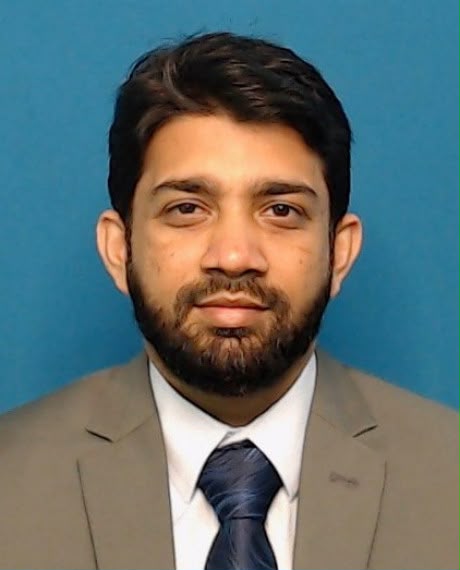
Special Officer to the Deputy Rector (Research, Innovation and Development)
International Islamic University Malaysia (IIUM)
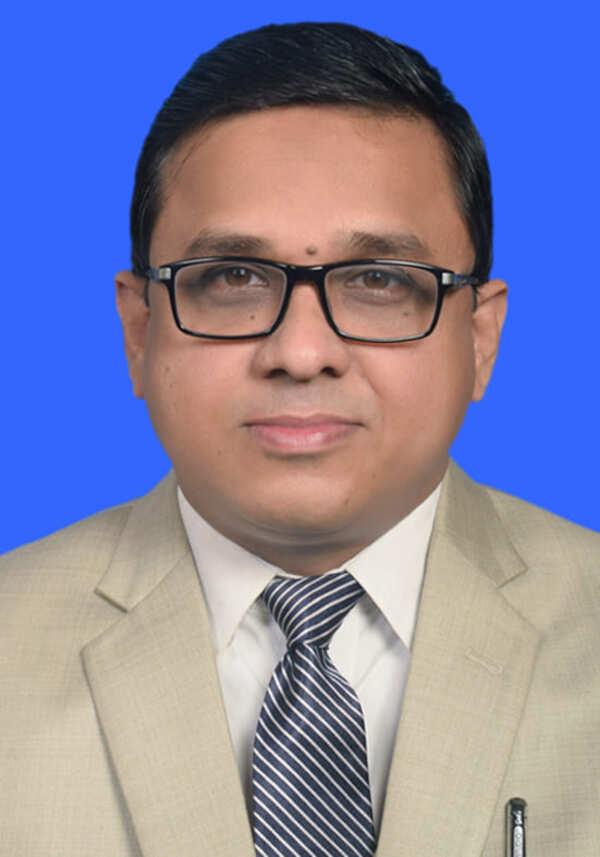
Assistant Professor (Department of FIDS)
AHAS Kulliyyah of Islamic Revealed Knowledge and Human Sciences · International Islamic University Malaysia (IIUM)
Further panellists and session details will be announced as the programme is finalised.
Get in touch
General enquiries are handled by email and are answered in the order they arrive. Abstract submissions and registration are handled through Google Forms — see the submission section.
Join the conversation on the future of Madrasah higher education — 4 November 2026.